After a deadly attack on a church in Jordan, Amman answered with airstrikes on Syria. The speed of that response, set against years of silence over Gaza, reveals a pattern the Muslim world knows all too well.
Jordan's Armed Forces announced that they had struck the "hideouts" of armed groups in southeastern Syria in response to Friday's gun attack on a church in Karak Governorate, which killed at least nine people and wounded dozens more. The military said the strikes were carried out "in coordination with the Syrian government" and had "resulted in the killing and wounding of many members of these terrorist groups and the destruction of a number of their vehicles." Damascus, however, denied any such coordination. (Al Jazeera)
The "war on terror" is nothing new to Muslims. Over the past quarter-century it has become painfully familiar, and it tends to follow the same script: a shocking attack, followed swiftly by invasion or military assault. The attacks of September 11, 2001 opened the door to the invasions of Afghanistan and Iraq, wars that cost the lives of more than a million Muslims. For many across the Muslim world, those wars came to represent far more than a campaign against terrorism. They became a means of occupying Muslim lands, killing Muslims, and seizing their resources.
Syria itself offers a more recent example. What began as a peaceful uprising against the Assad regime soon took on a strong Islamic character, with growing calls for an Islamic system of government. The emergence of ISIS then handed Russia a pretext to intervene militarily and devastate the country, an intervention intended, in large part, to ensure that neither Syria nor any other Muslim country would ever realize the aspiration of a genuine Islamic state.
On October 23, gunmen opened fire at a Greek Orthodox church in the village of Hammoud in Jordan's Karak Governorate during a funeral, killing at least nine people and wounding dozens. Jordan's own security chief quickly characterized the attack as an isolated act. The Director of Public Security, Major General Obeidallah Al-Maaytah, stated: “The Karak crime had no prior planning; the three individuals involved in the attack made their decision spontaneously and individually while behind the funeral procession, and they have no connection to other cells or organizations.”
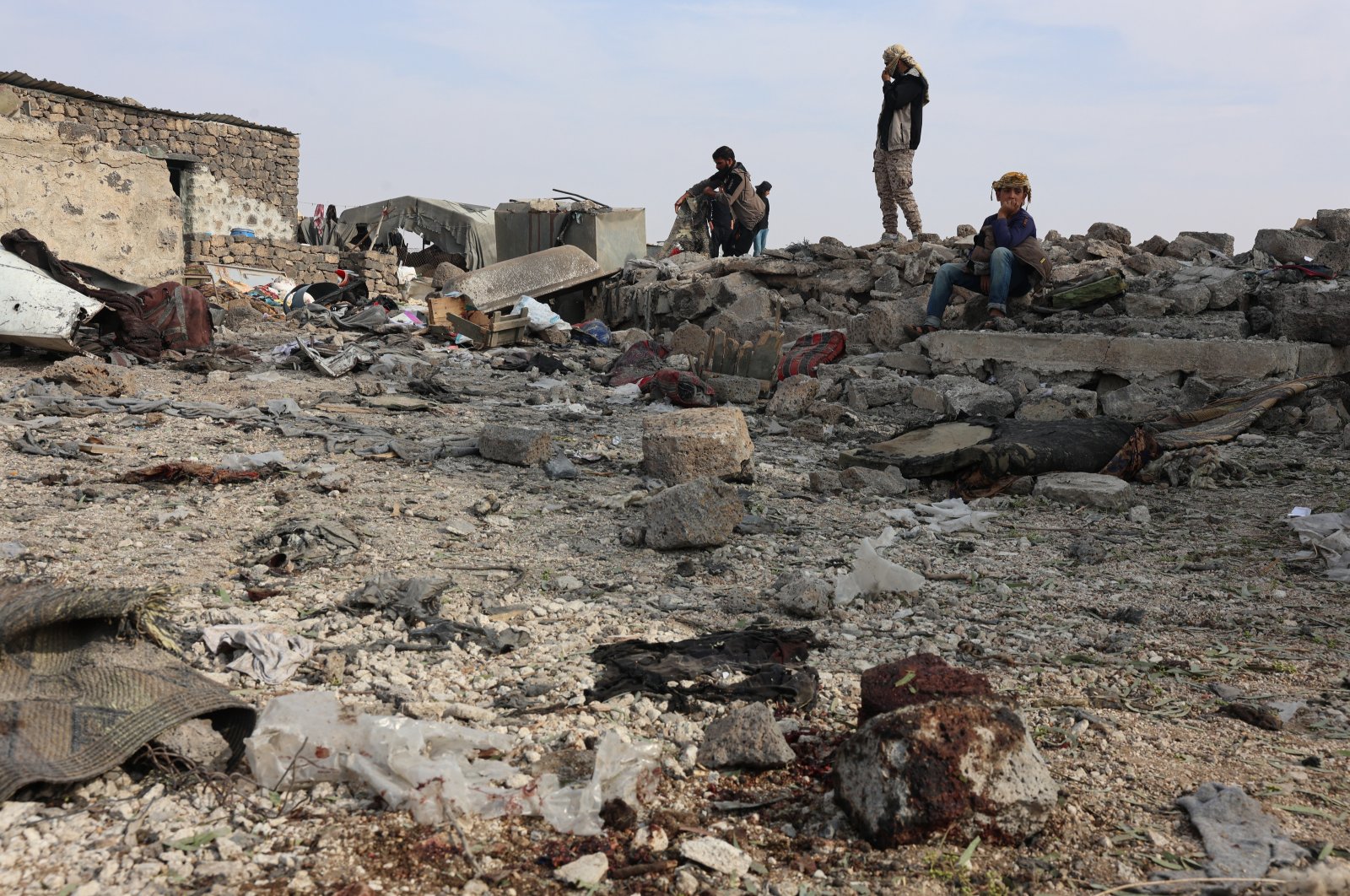
Yet the Jordanian government wasted no time in carrying out multiple waves of airstrikes in southern Syria. The initial reported death toll was eight, among them an entire family: children, women, and elderly relatives aged 4, 5, 7, 12, 16, 55, 60, and 68.
If, by Jordan's own account, the attackers acted spontaneously and had no links to any cell or organization, what exactly were the strikes in Syria retaliating against? And on what basis were the homes of families selected as targets?
The tragedy here is not only that a crime in Jordan was answered with bloodshed in Syria, nor only that innocent civilians were killed by a neighboring state that presents itself as a friend. The deeper tragedy is the glaring double standard on display. The raids appear to have far less to do with Karak than with portraying southern Syria as a haven for terrorist groups, a narrative that serves the Zionist entity and its ambitions in the region more than it serves the security of Jordan's people.
For more than three years, Gaza has endured a genocide, with death toll estimates now approaching 100,000. Throughout that time, the same government that moved within hours to bomb southern Syria has not so much as severed its diplomatic ties with the Zionist entity. When Muslims are the targets, the West and its allies in the region seem to find the will to act at once. When Muslims are the victims, they offer statements and little else.
How can such a painful contradiction be ignored? How can the blood of Muslims be shed so freely while their suffering elsewhere is met with little more than words? Why is the killing of Muslims so often met with swift military action when the protection of their lives and dignity seems to receive so little urgency?
The root of what has happened in Jordan and Syria, and of the tragedies that continue to unfold in Gaza, is the absence of the shield described by the Prophet ﷺ:
“The Imam is only a shield, behind whom they fight and by whom they protect themselves. If he enjoins fear of Allah, the Exalted and Glorious, and dispenses justice, there will be a reward for him; but if he enjoins otherwise, it will count against him.” [Sahih al-Bukhari and Sahih Muslim]
Without that shield, the Muslim Ummah remains exposed, its lands divided, its people left to suffer, its blood treated as cheap. As long as this vulnerability persists and no authority stands to protect Muslim lives, the misery, devastation, and attacks will continue. Karak and southern Syria are not isolated events. They are the latest chapter in a long story in which Muslim lives are spent quickly and defended rarely. The answer will not come from these oppressive governments that act decisively against the Ummah. It lies in restoring the protection the Ummah has lost.
May Allah restore the shield to the Muslim Ummah, establish His rule upon the earth, protect the lives and dignity of the Muslims, and bring that day soon. Ameen.